All Categories
Featured
An Analysis of British Investment Trends
Table of Contents
In particular, tax and legal exposure can begin remarkably early, even if overseas income still feels "small".
Evaluating Old versus Digital Finance Routesmaking sure IP, brand name, trade assets and other intangibles are held and protected in structures that minimize direct exposure as worldwide activity grows. using the right entities for the best dangers, so functional direct exposure in one geography does not unnecessarily endanger properties held in other places. This is where a reliable contemporary Financing Director adds real strategic worth.
They know what to search for, when "small" abroad activity starts to develop huge implications, and how to avoid sleepwalking into avoidable direct exposure. In practice, a strong FD will appear the concerns early, commission the ideal expert guidance, and coordinate the moving parts across tax advisors, legal counsel and internal stakeholders.
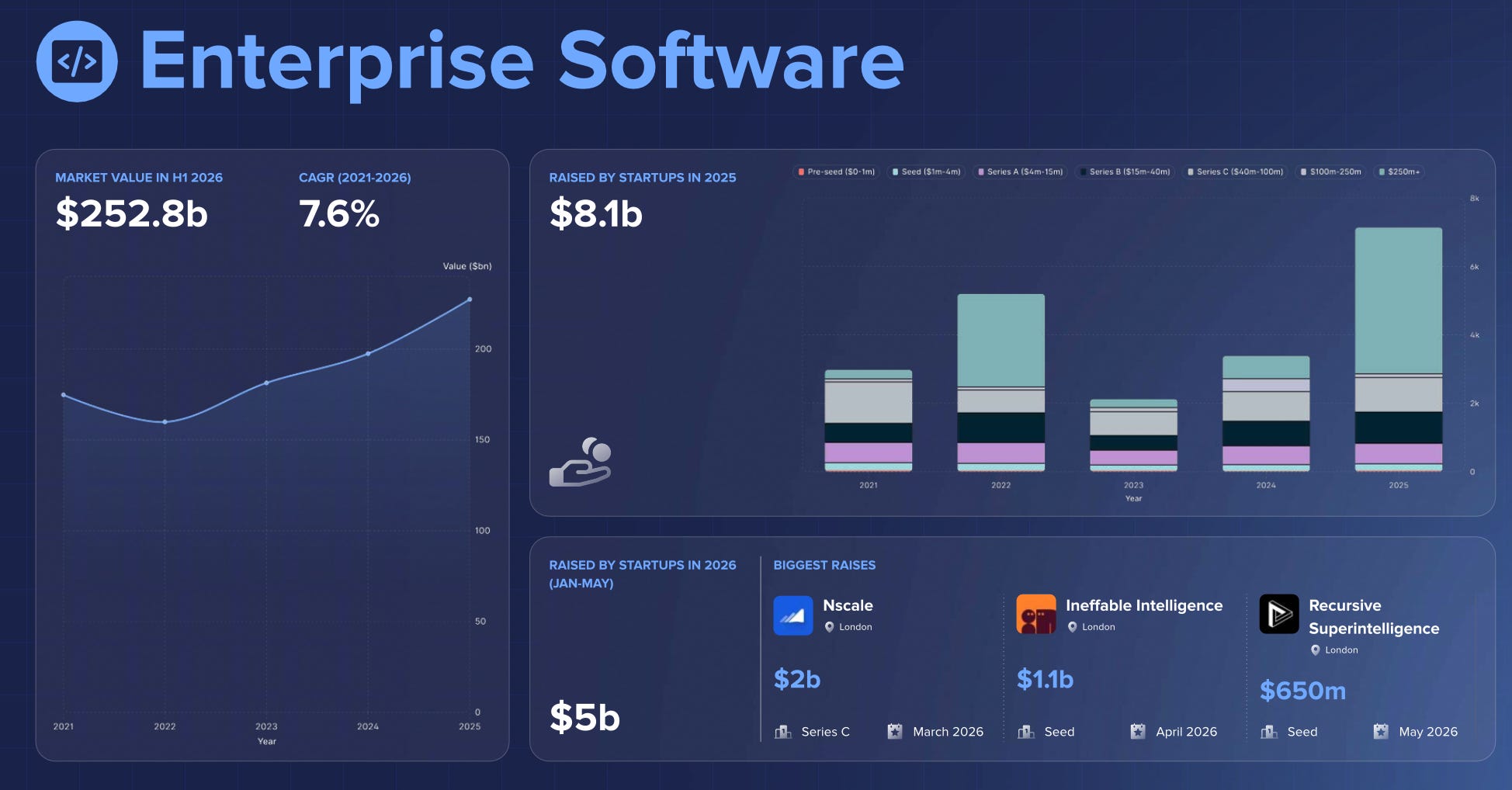
Alongside the macro picture, AI is ending up being a defining force in how finance works run. Internationally, adoption amongst SMEs is increasing quickly, and those who move first tend to acquire an edge in efficiency, choice speed and funding. Tools that evaluate spend, flag anomalies, enhance forecasting and create commentary are moving from experimental to mainstream.
A loosely run finance function that feeds poor-quality data into automatic tools simply speeds up confusion. A disciplined, FD-led financing function does the reverse: it produces a solid foundation for automation to deliver trustworthy insight. Designing constant coding structures and monetary information designs. Choosing proper automation tools for the size and intricacy of the company.
Navigating the 2026 British Economic Outlook
Embedding controls that protect versus AI-driven errors. In 2026, SMEs will compete on financial clarity as much as product and services quality. AI widens the space between disciplined and unrestrained businesses. At the exact same time, the UK employment landscape is moving. Expanded versatile working rights, foreseeable working pattern rules, more powerful defenses around unfair dismissal and assessment responsibilities all point in one direction: hiring is becoming more procedurally demanding and riskier to get incorrect.
Fixed headcount becomes a larger commitment, specifically in junior or functional roles where performance can be variable. Hiring errors become more pricey, not just financially however in management time. Reducing long-term hiring and being more selective about internal roles. Relying more heavily on fractional experts, consisting of fractional FD services. Increasing automation and AI adoption to improve documentation-heavy or repetitive workflows.

They model labor force circumstances, employ vs outsource vs automate, and demonstrate how these choices impact cashflow, margin and functional danger. Provided this background, what should an SME's finance leadership, whether internal or outsourced, focus on over the next 18 months? rolling projections, scenario preparation, debtor management and provider negotiations that go beyond spreadsheets into structured procedure, supported by strong cashflow management.
These are not administrative tasks, they are tactical enablers.
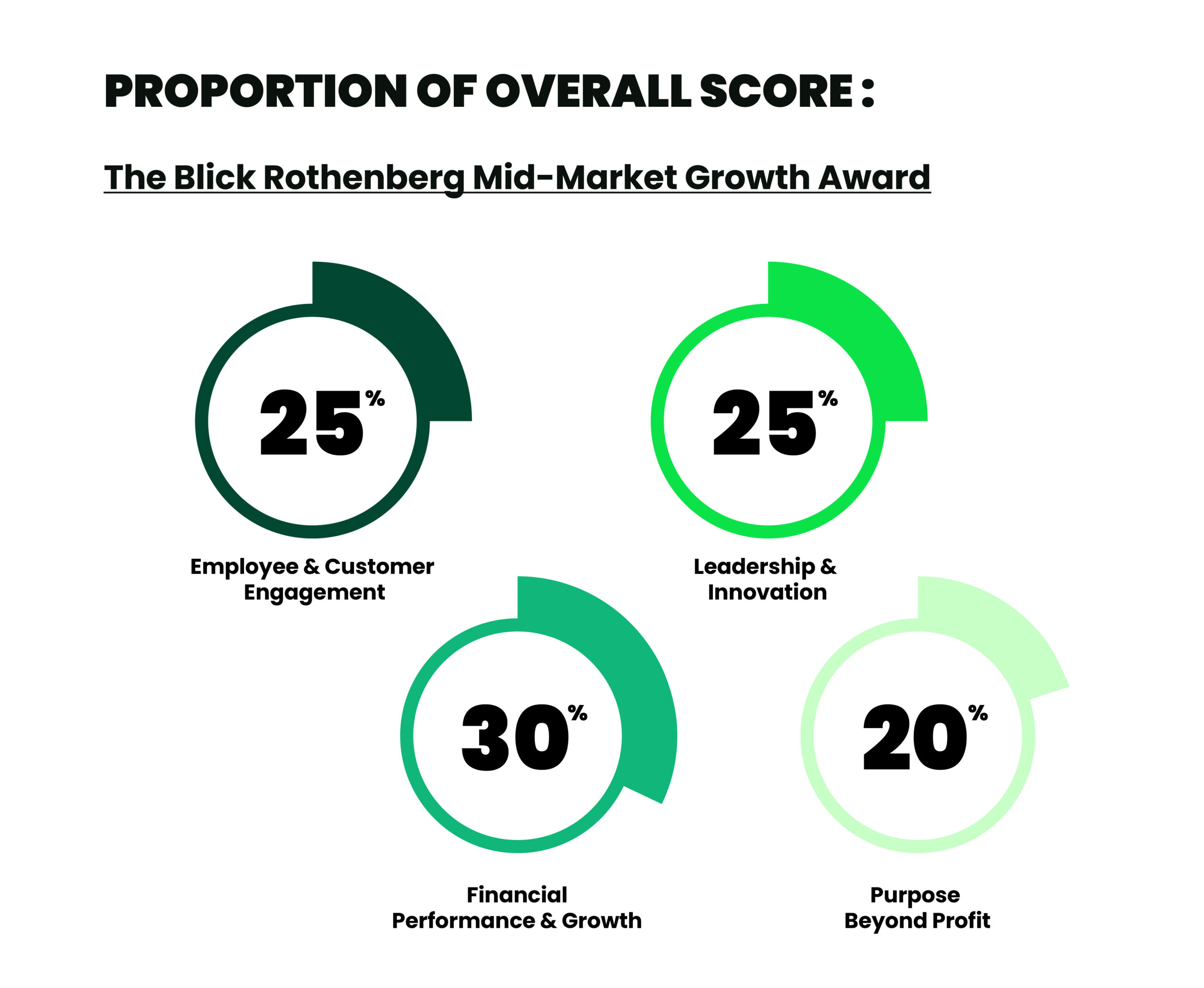
How Ethical Mandates Shape Mid-Market Success
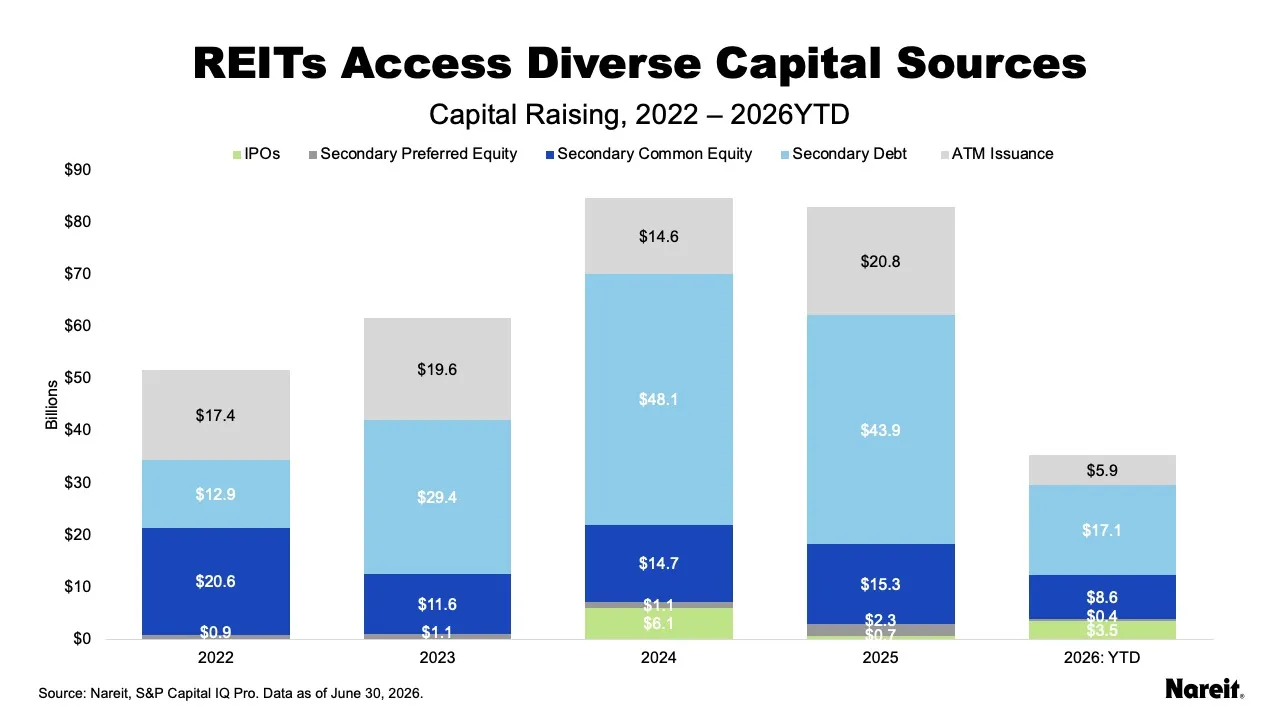
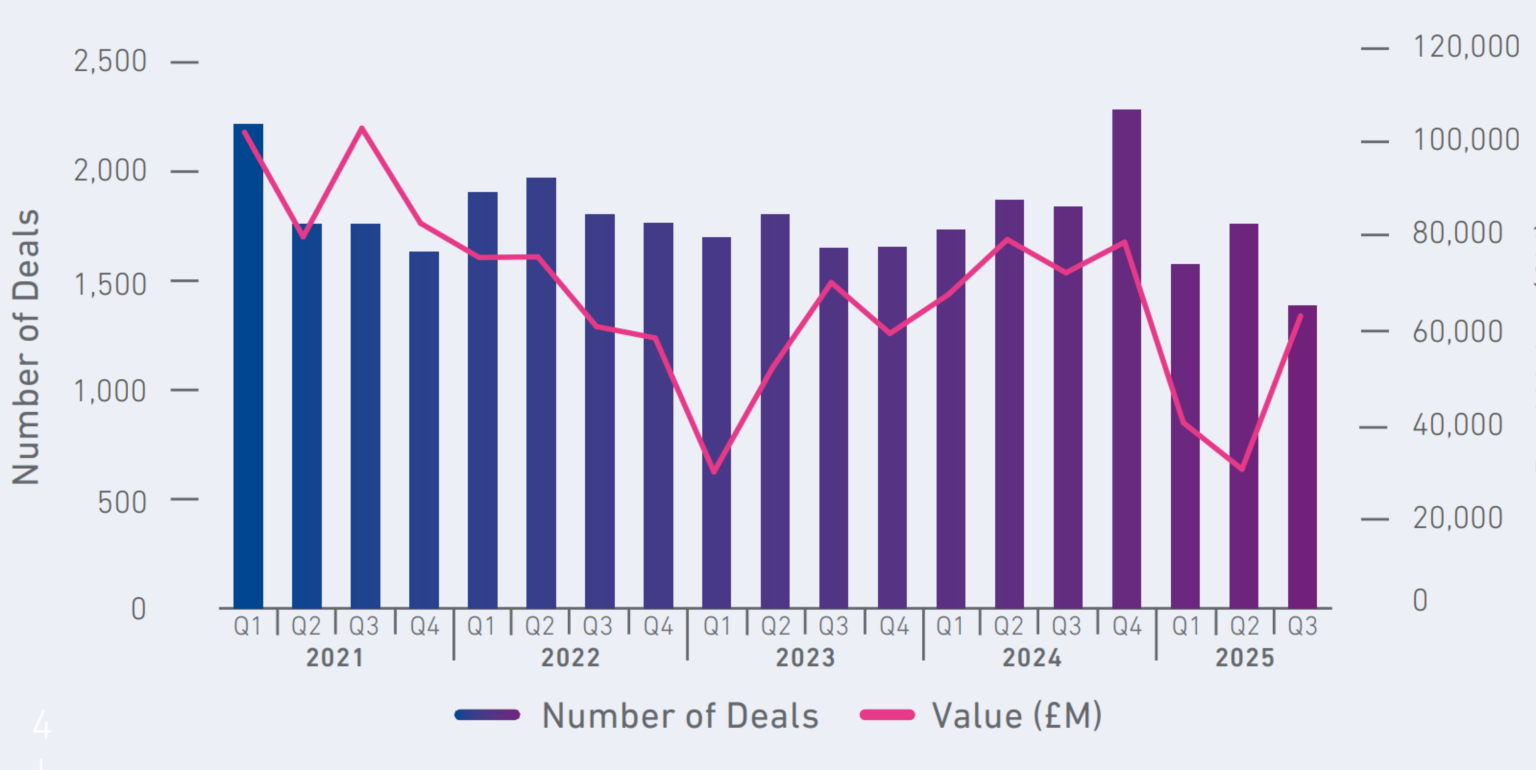
For businesses considering their next move, the schedule and expense of financing matters as much as confidence. What we are seeing now is a market where, in spite of combined sentiment, the conditions for financial investment are improving in practical and quantifiable ways. It would be fair to state that self-confidence among SMEs has actually softened over the past year.

Organizations now have a clearer view of their cost base, their tax position and the wider financial backdrop. Progressively, we are hearing organizations explain 2026 as a year of shipment rather than hold-up.
Firms are mindful that capital is available at an affordable expense, which this produces a chance to bring forward growth plans that may have been parked while conditions were less specific. While confidence might be weaker than it was 12 or 18 months back, the tone of conversations has actually become more positive.
In the last few years, asset finance brought in particular attention, helped by tax incentives that made it specifically appealing. Some of those benefits have actually considering that minimized, however instead of dampening activity, we are seeing demand throughout the full variety of commercial loaning. Property-backed finance, structured financing and possession finance are all in play.
The lending institution side of the market is also shifting in favour of customers. There is an abundance of capital available, providing criteria are softening, and prices is relieving. This is particularly visible among the high street banks. As Covid-era loans have actually been repaid, balance sheets have strengthened and cravings has returned.
Driving Green Value Through Ethical Supply Chains
Companies that restrict themselves to a single lender are undoubtedly restricting their alternatives. A whole-of-market technique enables funding to be structured around the requirements of business instead of the constraints of a particular product. Working with knowledgeable business finance brokers gives services access to a broad loaning universe and a much wider variety of options.
It also implies companies can react faster as conditions develop, rather than being tied to one path. Looking ahead, I think the next phase will favour organizations that want to make thought about investment decisions. After a subdued 2nd half of 2025, the combination of capital schedule, lender appetite and enhancing rates produces a platform for growth.
Those who continue to postpone choices may find themselves standing still while the marketplace proceeds. In a more competitive environment, that carries its own risks. Turnover and success are not guaranteed merely by awaiting conditions to end up being ideal. The message I would give to company owners is not to ignore danger, however to recognise chance.
For firms with ambition, a clear strategy and the determination to engage properly with the financing landscape, this is a duration that can be used to support sustainable development rather than just to tread water.
NatWest Markets does not undertake to update you of such modifications. Other than as shown, this article has been prepared on the basis of openly available info believed to be trustworthy but no representation, warranty, endeavor or guarantee of any kind, reveal or suggested, is made as to the adequacy, precision, efficiency or reasonableness of the info consisted of in this article, nor does NatWest Markets accept any responsibility to any recipient to upgrade or correct any information included herein.
Optimizing Corporate Team Performance Through Innovation
The views expressed herein might not be unbiased or independent of the interests of the authors or other NatWest Markets trading desks, who might be active individuals in the markets, investments or strategies referred to in this article. NatWest Markets will not act and has not functioned as your legal, tax, regulative, accounting or investment advisor; nor does NatWest Markets owe any fiduciary tasks to you in connection with this, and/or any associated deal and no dependence might be placed on NatWest Markets for financial investment advice or suggestions of any sort.

Latest Posts
How Global Market Shifts Influence UK Industry
Future UK Capital Trends Empowering Growing Firms

Securing Sustainable Value Through ESG Supply Chains